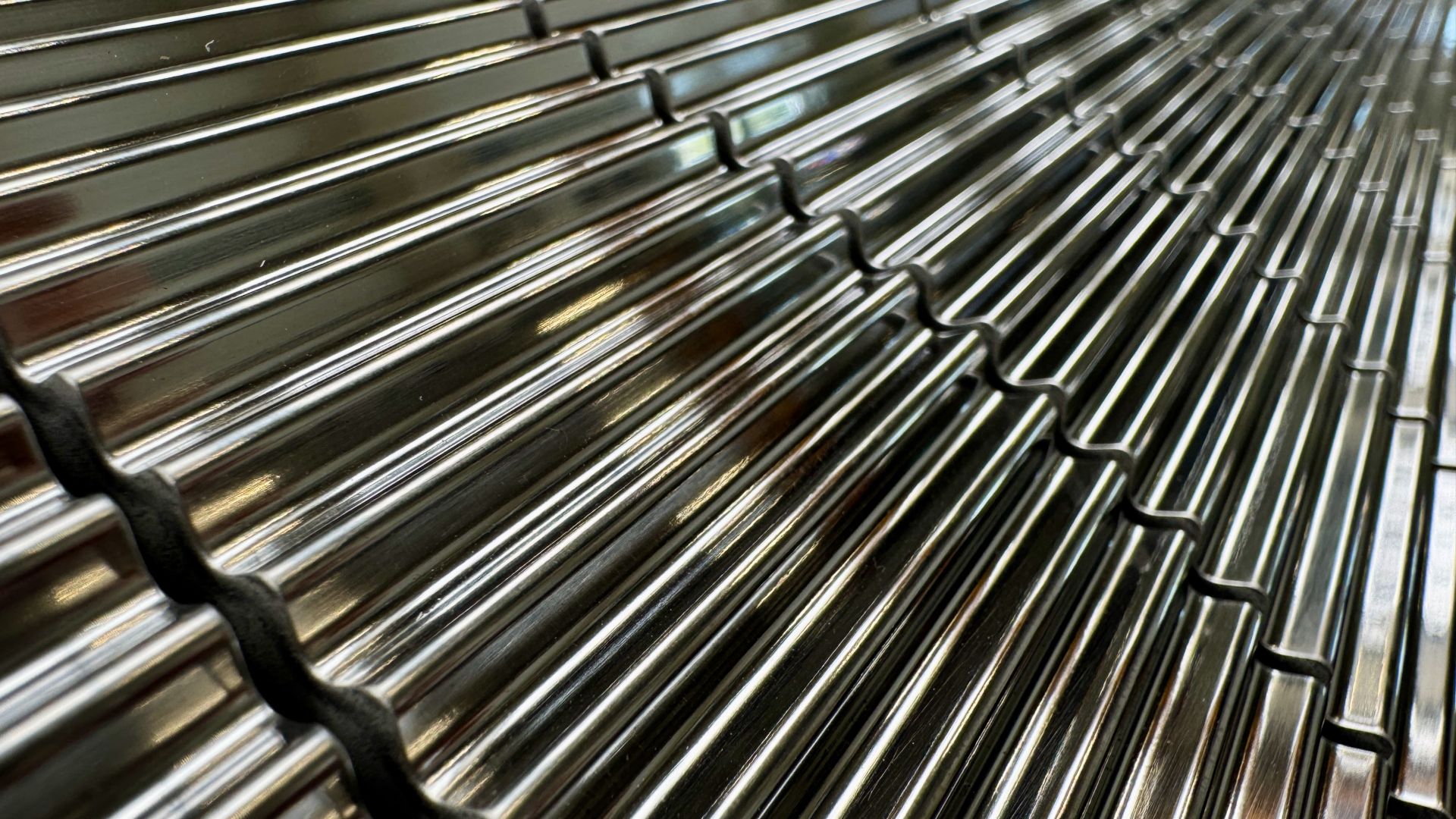
ROCKPROFILE is the flute geometry we design. Instead of adopting a profile unchanged, we match radii and geometry to the paper actually running at your plant. In the corrugating process, flute geometry is the lever for strength, speed and material usage. The design determines which of these three takes priority for you.
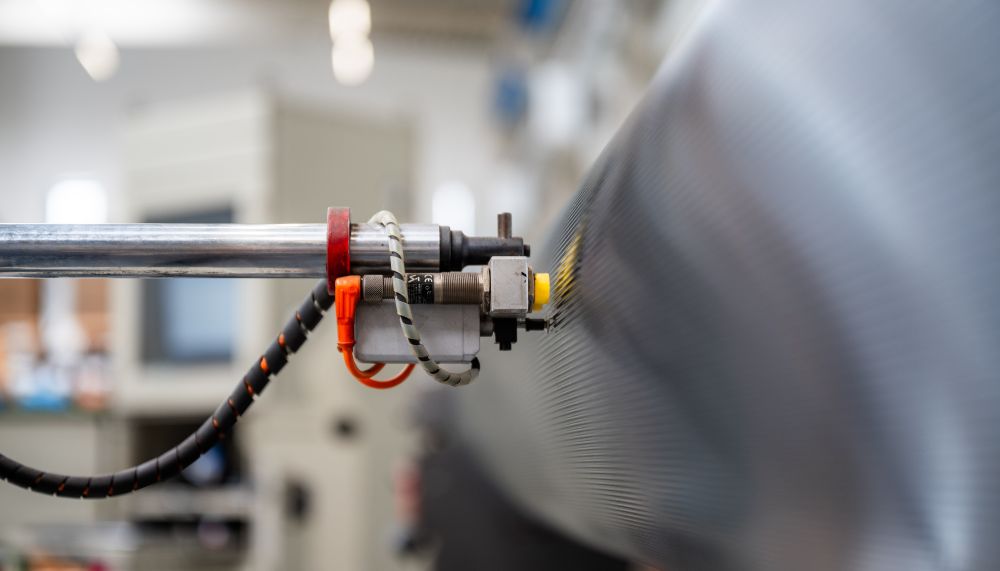
Before we propose a profile, we look at the existing one. PACE stands for Profile Analysis and Comparison Estimate: we analyse your current profile and set it against a proposal for a new one. You get the comparison and make the decision.
For an initial comparison, we need the paper grades running at your plant, your flute type and the working width. That shows us whether there is still something to gain from your profile.

A different profile sounds like a risk at first. That is why we lay out every change as a comparison beforehand. Here are the questions we are asked most often.
The ECT value (Edge Crush Test) describes the edgewise compression resistance of corrugated board, i.e. the force an upright sample can withstand before it buckles. It is a key indicator of the stacking strength of boxes.
A, B, C, E and F flutes are common in the corrugated board industry, along with other fine and micro flutes. They differ in flute height and pitch, and therefore in cushioning, stacking strength and print quality.
PACE stands for Profile Analysis and Comparison Estimate. We use it to analyse the existing flute profile and set it against a proposal for a new one, so the difference is visible before you decide.